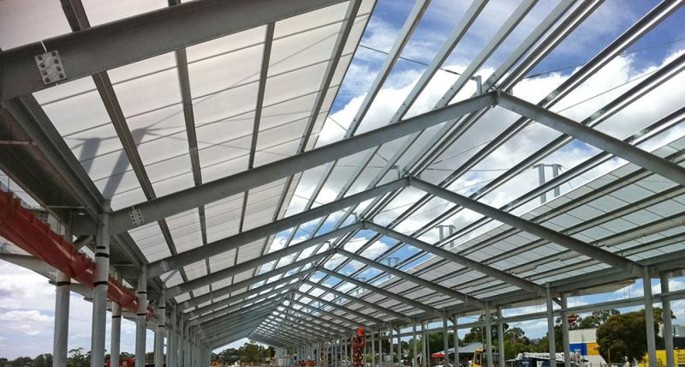
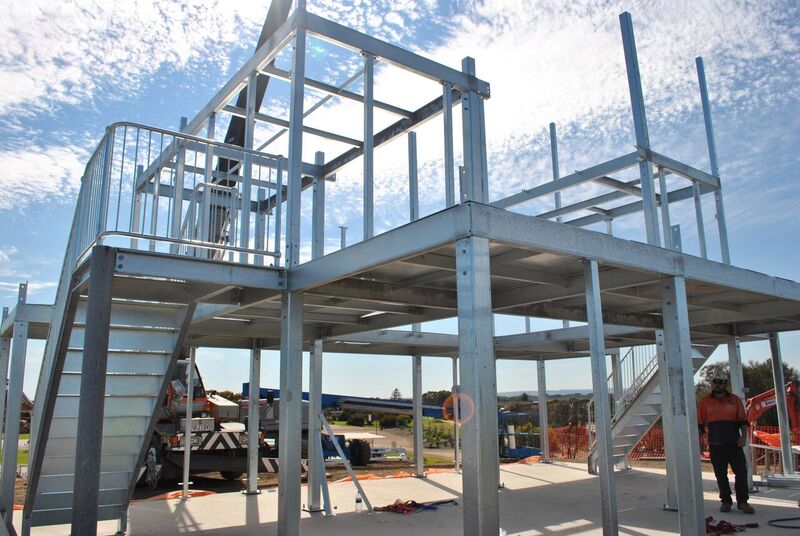
Galvanizing to Australian Standards
Quality is at the heart of everything we do. Every steel component galvanized at Kingfield is processed in accordance with AS 4680:2025 – Hot-Dip Galvanized (Zinc) Coatings on Fabricated Ferrous Articles, ensuring reliable, long-lasting corrosion protection you can trust.
Before leaving our facility, every order undergoes comprehensive quality inspections to verify coating thickness, finish, and compliance with Australian Standards.
Our purpose-built galvanizing kettle measures 12.0 metres long, 1.5 metres wide, and 3.1 metres deep, enabling us to process everything from small fabricated components to large structural steel.
Whether your project requires single or multiple-dip galvanizing for oversized steelwork and other small components, Kingfield has the capability and expertise to deliver consistent, high-quality results—on time and to specification.
Quality You Can Trust
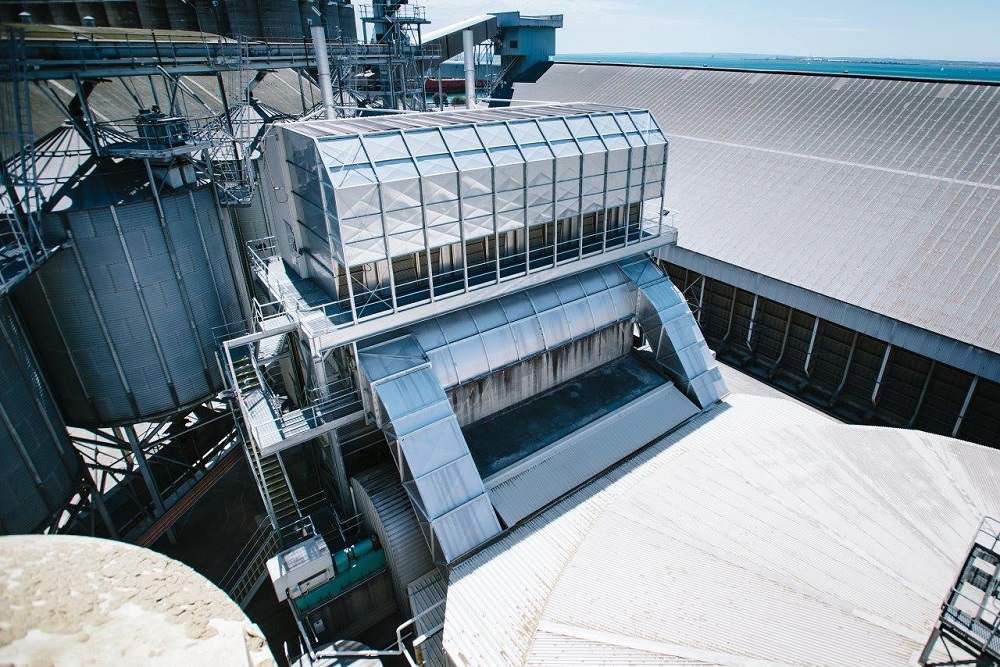
As Australia’s first fully automated and enclosed hot dip galvanizing plant, Kingfield is committed to delivering consistent, high-quality results on every project.
Our Quality Team works closely with Production to continually refine our galvanizing processes and achieve the best possible outcome for every steel component. From the moment your steel arrives, each item is carefully inspected to ensure it meets venting and draining requirements before galvanizing begins—helping to maximise coating quality, safety, and durability.
Every project is processed in accordance with Australian Standards, includingAS/NZS 4680:2025 and AS/NZS 2312.2:2014 for hot dip galvanizing, along with AS 1627.1, AS 1627.4, and AS 1627.5 for the preparation and pre-treatment of steel surfaces.
At Kingfield, quality isn’t just inspected—it’s built into every stage of the galvanizing process.
Designing for Better Galvanizing
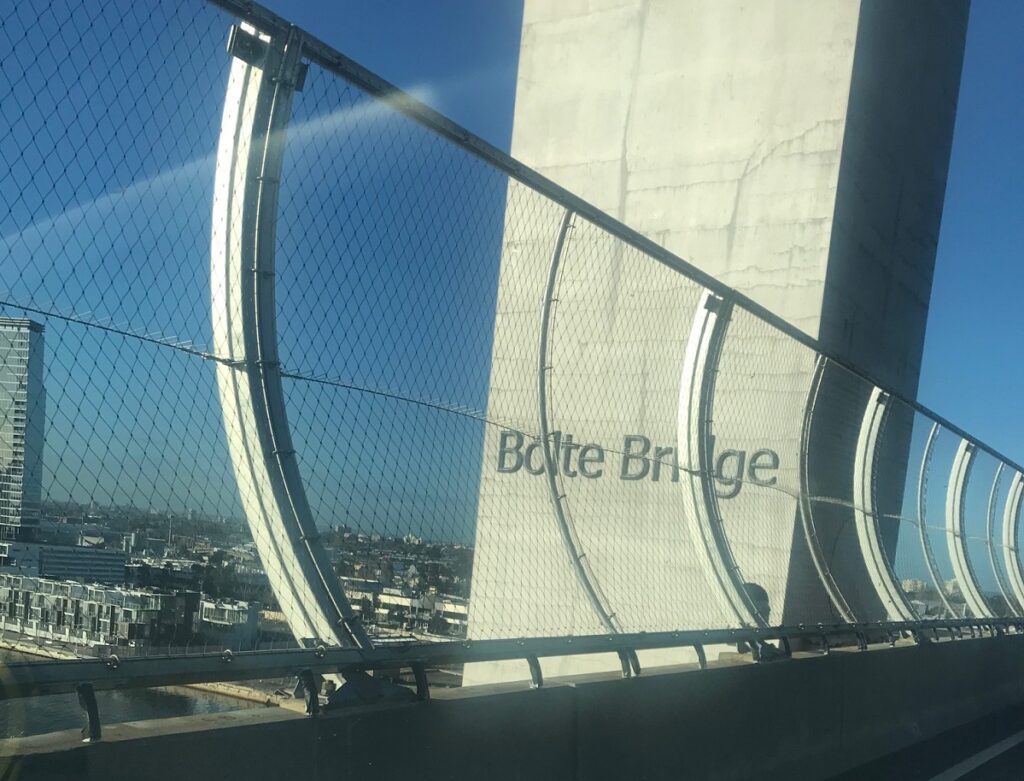
Great galvanizing starts long before steel reaches our plant. By designing and fabricating with the galvanizing process in mind, you can achieve a higher-quality finish, reduce processing costs, and ensure safe, efficient production.
For oversized steel components, Kingfield can perform double-end or double-depth dipping, allowing items larger than our kettle dimensions to be fully galvanized. This process may result in a visible join line, which is a normal characteristic of double dipping and does not affect the performance or corrosion protection of the coating.
For large construction projects, designing steel in modular sections can simplify transport, handling, and onsite assembly while delivering manufacturing efficiencies and cost savings.
If components require cutting or welding after galvanizing, appropriate repair methods should be followed to restore corrosion protection and maintain the long-term performance of the galvanized coating.
Need design advice? Our experienced team is available on (03) 9305 3902 to help ensure your steel is designed for the best possible galvanizing outcome.
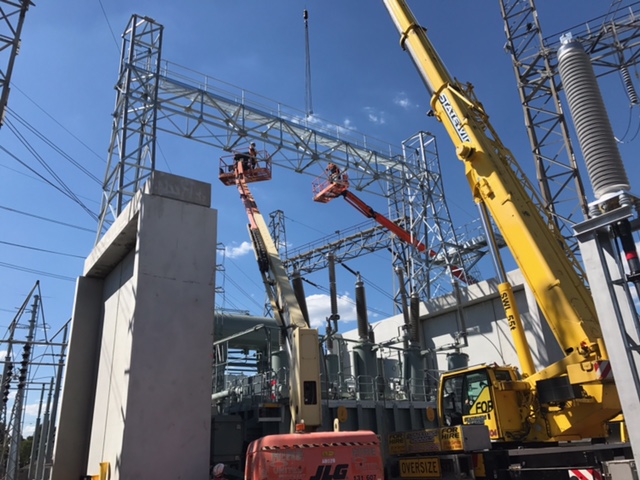
Surface Preparation
A high-quality galvanizing finish starts with proper surface preparation. Clean steel allows the molten zinc to bond directly to the surface, creating a durable, long-lasting coating with excellent corrosion protection.
To achieve the best results, all steel should be free from contaminants that can prevent the zinc coating from adhering. This includes paint, grease, oil, welding slag, heavy rust, marking crayons, adhesives, stickers, silicone sealants, and other surface coatings.
Where steel has been flame cut, welded, or repaired, any slag, spatter, or sharp edges should be removed prior to galvanizing. Grinding marks should be smooth and consistent to help produce an even coating appearance.
Our team inspects all incoming steel before processing. If contamination or surface conditions are identified that may affect the quality of the galvanizing, we will advise you before production begins.
By ensuring your steel is properly prepared before delivery, you can help minimise delays, improve coating quality, and achieve the best possible galvanizing outcome.
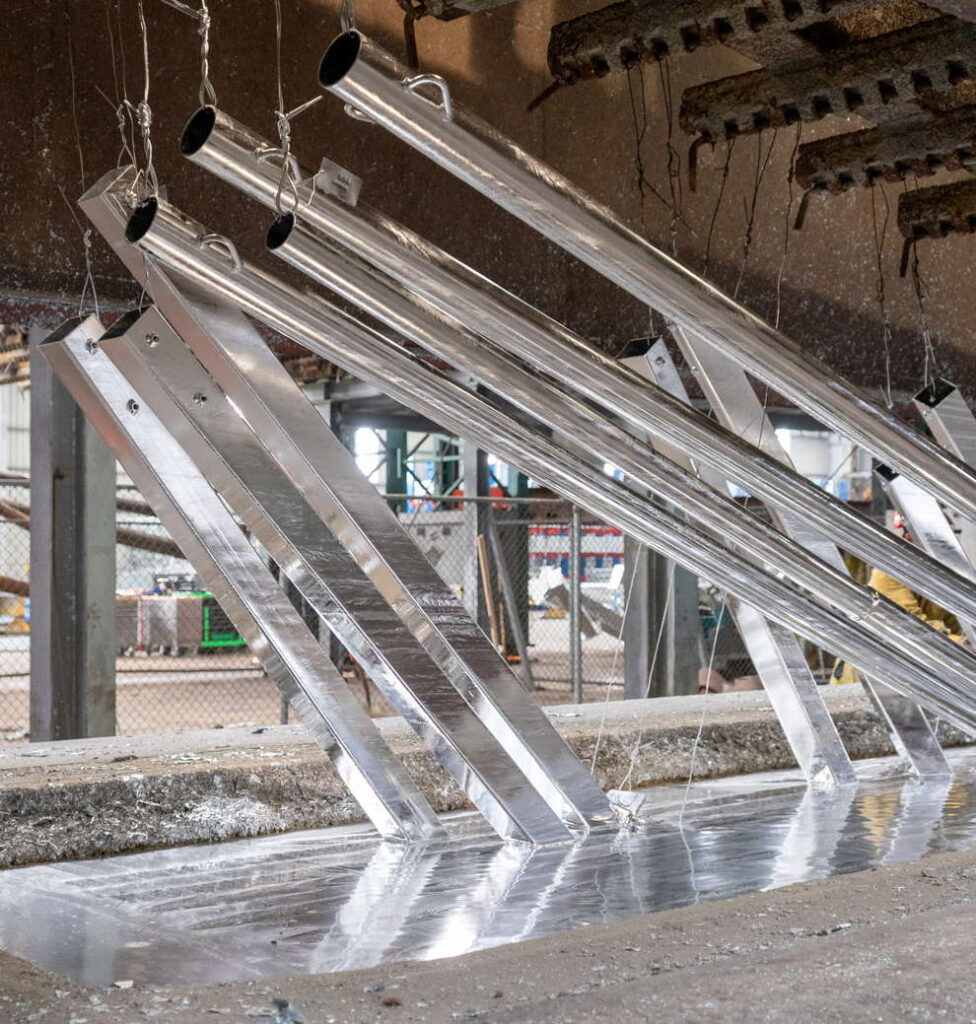
Draining and Venting
Some steel fabrications require extra holes for hanging, venting, and draining before hot dip galvanizing.
Think of lowering the steel into a large tank of water. As it goes under, all the air inside must be able to escape. When it comes back out, all the molten zinc must be able to drain away completely. Without the correct openings, air or zinc can become trapped inside the steel.
Correct venting and draining:
- Allows air to escape safely during galvanizing.
- Ensures all internal surfaces are fully coated with zinc for maximum corrosion protection.
- Prevents lighter items from floating in the zinc bath due to trapped air.
- Allows excess zinc to drain out, improving the finished coating.
For closed vessels that are not intended to be galvanized internally (such as heat exchangers), snorkel-style vent pipes must be fitted. These pipes need to extend above the pickling, fluxing, and galvanizing baths while the vessel is fully immersed.
If you are unsure about venting or draining requirements, please contact our Customer Service team on (03) 9305 3902 for guidance prior to fabrication.
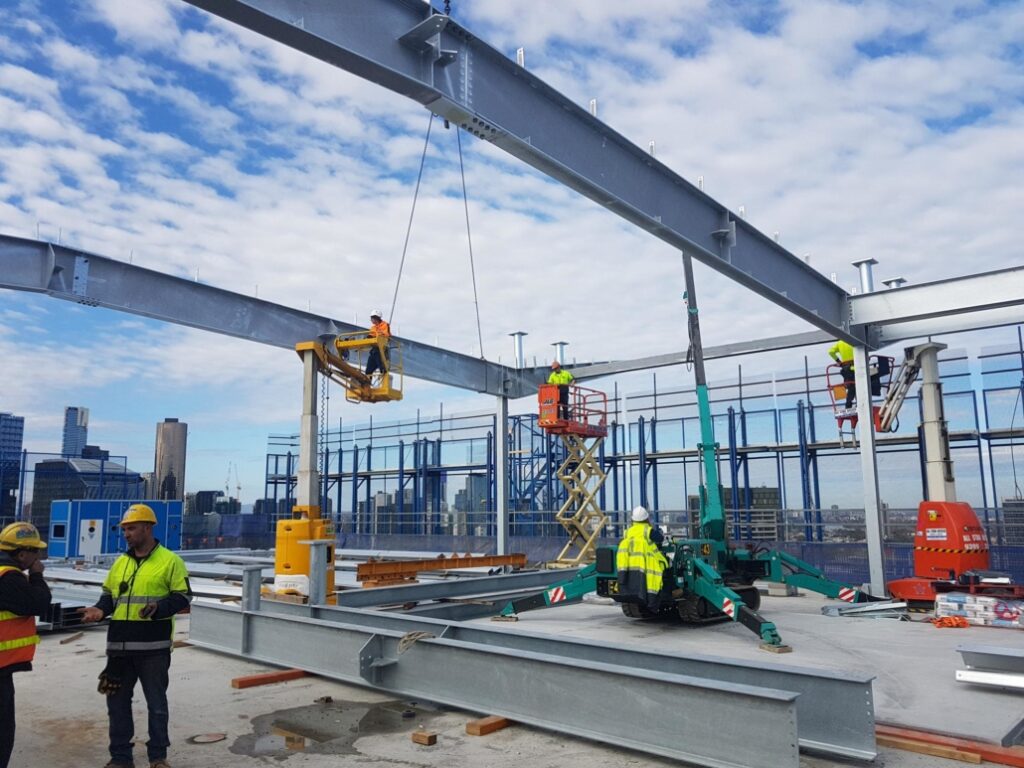
Post-Galvanizing Modifications & Repairs
To maximise the performance and service life of a hot dip galvanized coating, all cutting, drilling, welding, and fabrication should be completed before galvanizing wherever possible.
If modifications are required after galvanizing, any exposed steel must be repaired using an approved zinc-rich repair system in accordance with AS/NZS 4680:2025 to restore corrosion protection.
Minor coating damage that occurs during transport, handling, or installation can generally be repaired using approved zinc-rich paint, zinc metal spray (metallising), or zinc solder, provided it complies with the requirements of the Australian Standard. For more extensive damage or modifications, re-galvanizing may be the most suitable solution.
If you are planning post-galvanizing modifications or require advice on approved repair methods, our Customer Service team is available to assist.
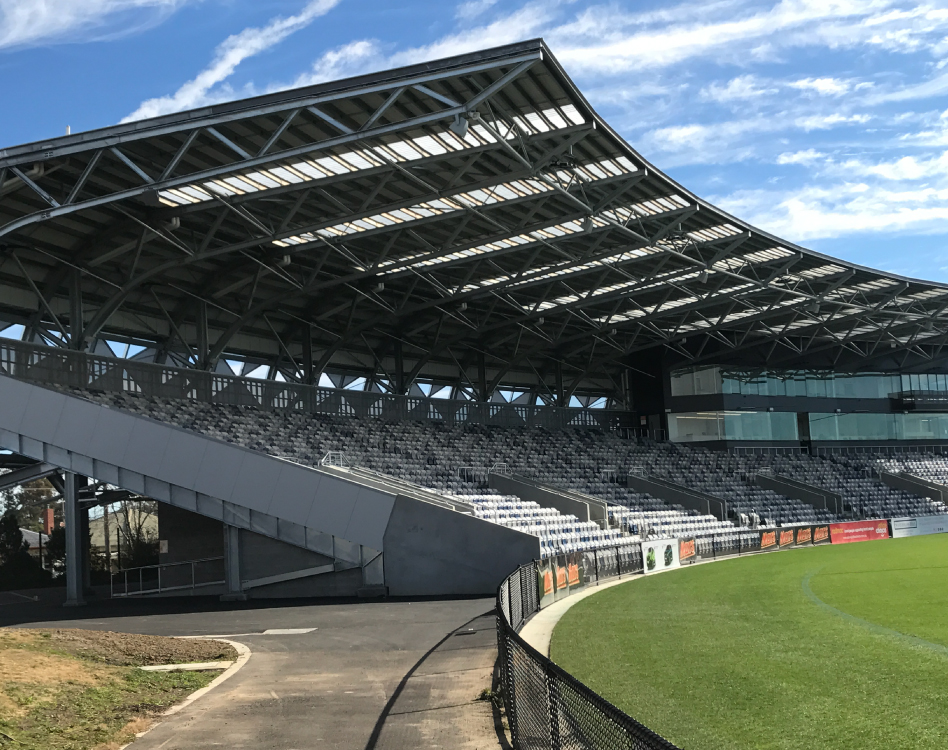
Painting Over Galvanizing
Hot dip galvanizing can be painted to achieve a specific colour or architectural finish while providing an additional layer of corrosion protection. This combination of galvanizing and paint is known as a duplex coating systemand can significantly extend the service life of steel in demanding environments.
For the best results, the galvanized surface must be correctly prepared, and a paint system specifically designed for galvanized steel should be applied in accordance with the manufacturer’s recommendations.
If you are considering painting over galvanized steel, our team can provide guidance on suitable preparation methods and coating systems.
Care and Maintenance
Hot dip galvanized steel requires very little maintenance; however, a few simple practices will help maximise the life of the coating.
- Avoid prolonged exposure to environments with a pH below 6 or above 12, as these conditions can accelerate corrosion.
- Prevent direct contact with dissimilar metals such as copper or brass, particularly in corrosive environments, unless they are electrically isolated.
- Avoid abrasive cleaning methods, which can remove the protective zinc patina and reduce the life of the coating.
- Clean galvanized steel using water, a mild water-based cleaner, or an alkaline cleaner with a pH of 12 or less, then rinse thoroughly with clean water.
- In coastal or highly corrosive environments, periodically rinse galvanized steel with fresh water to remove salt deposits, particularly in sheltered areas.
- Store galvanized steel in a dry, well-ventilated area prior to installation to minimise the risk of storage stain (white rust).
- If the coating is damaged during handling, installation, or post-galvanizing fabrication, repairs should be completed in accordance with AS/NZS 4680:2025 to restore corrosion protection.